The Arabic Language: One Written Tongue, Many Spoken Voices
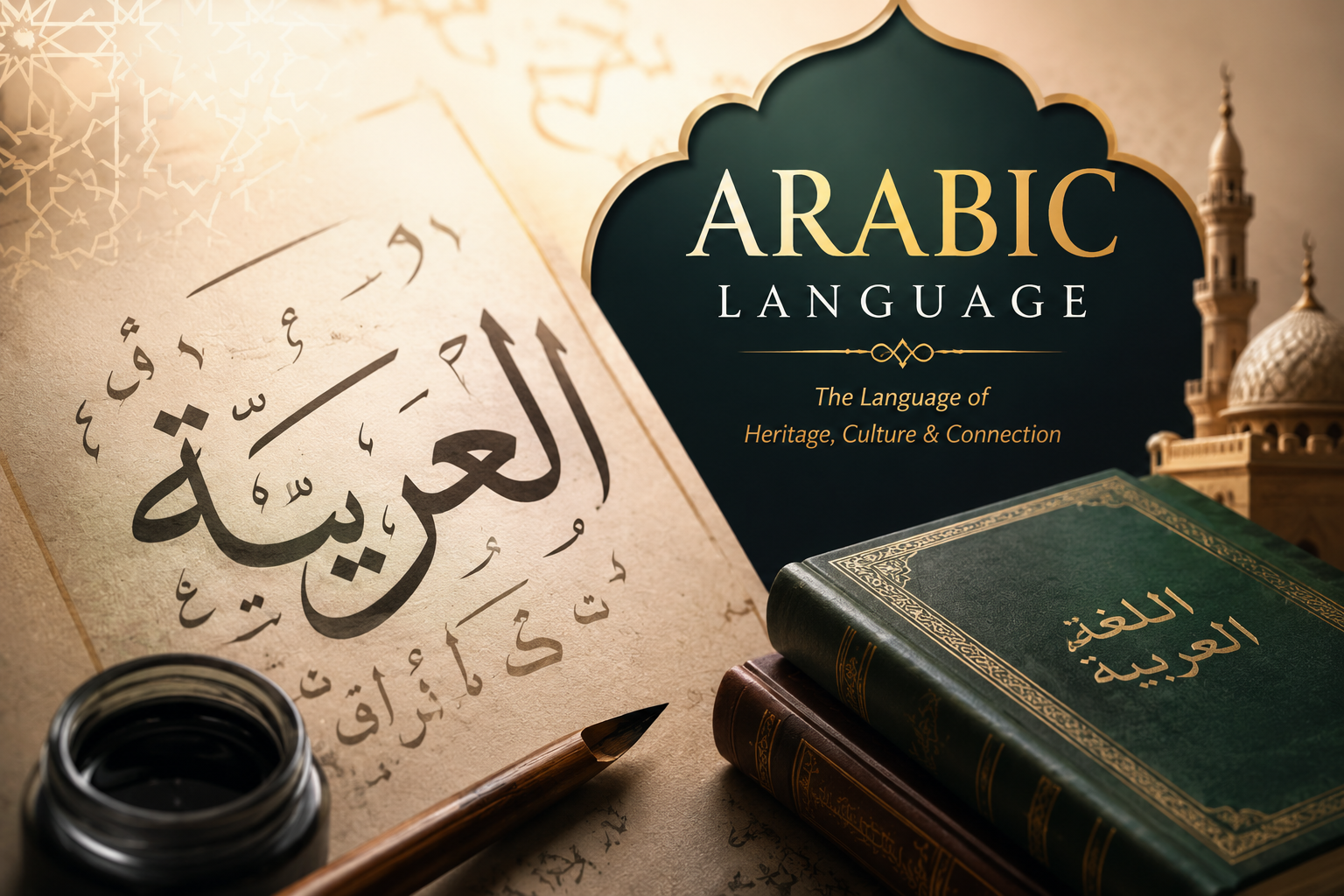
Why All Arab Countries Don’t Actually Speak the “Same” Arabic Arabic is often described as one language, but the reality is far more fascinating and complex. If you’ve ever wondered whether a person from Morocco can easily chat with someone from Saudi Arabia or Iraq using their everyday speech, the answer is usually no — even though they share the same official language.

The Two Layers of Arabic

Arabic exists in two distinct forms:
  • Modern Standard Arabic (MSA) – also called Fusha (فصحى)
  • Colloquial Arabic – the spoken dialects (Ammiya عامية)
Modern Standard Arabic is the unifying force. It is used in news, books, official documents, education, and formal media across the entire Arab world. Any educated Arab can read and understand MSA. However, no one speaks MSA as their mother tongue. In daily life, people use local dialects.

Major Arabic Dialect Groups

  • Maghrebi (North African): Morocco, Algeria, Tunisia, Libya
  • Egyptian: Egypt (most widely understood due to films and music)
  • Levantine: Lebanon, Syria, Jordan, Palestine
  • Gulf Arabic: Saudi Arabia, UAE, Kuwait, Qatar, Bahrain, Oman
  • Iraqi
  • Sudanese & Yemeni

How Different Are the Dialects?

Here are real examples: “How are you?”
  • Egyptian: Ezayak? (إزيك؟)
  • Levantine: Kifak? or Shlonak?
  • Gulf: Shlonak?
  • Moroccan: Labas? or Kifash?

Mutual Intelligibility

Some dialects are quite similar, while others are very different. A Moroccan and an Iraqi speaking naturally may struggle to understand each other and often switch to Modern Standard Arabic or English.

Why So Many Dialects?

The Arab world is vast. Historical influences (Ottoman, French, British, etc.), geography, and strong regional identities have shaped these differences over centuries.

The Future of Arabic

Thanks to social media, satellite TV, and travel, younger Arabs are becoming more familiar with other dialects. Egyptian and Levantine Arabic have become especially popular and widely understood.

Final Thoughts

So, do all Arabic countries speak the same Arabic? Yes — in formal writing and official communication (MSA). No — in everyday spoken life. This linguistic diversity is one of the beautiful characteristics of Arab culture — unity in the written word, rich variety in spoken expression. Have you ever experienced confusion (or laughter) trying to understand a different Arabic dialect? Which dialect do you speak? Share your experience in the comments below! Tags: Arabic language, Arabic dialects, Modern Standard Arabic, Fusha, Arab culture, Linguistics